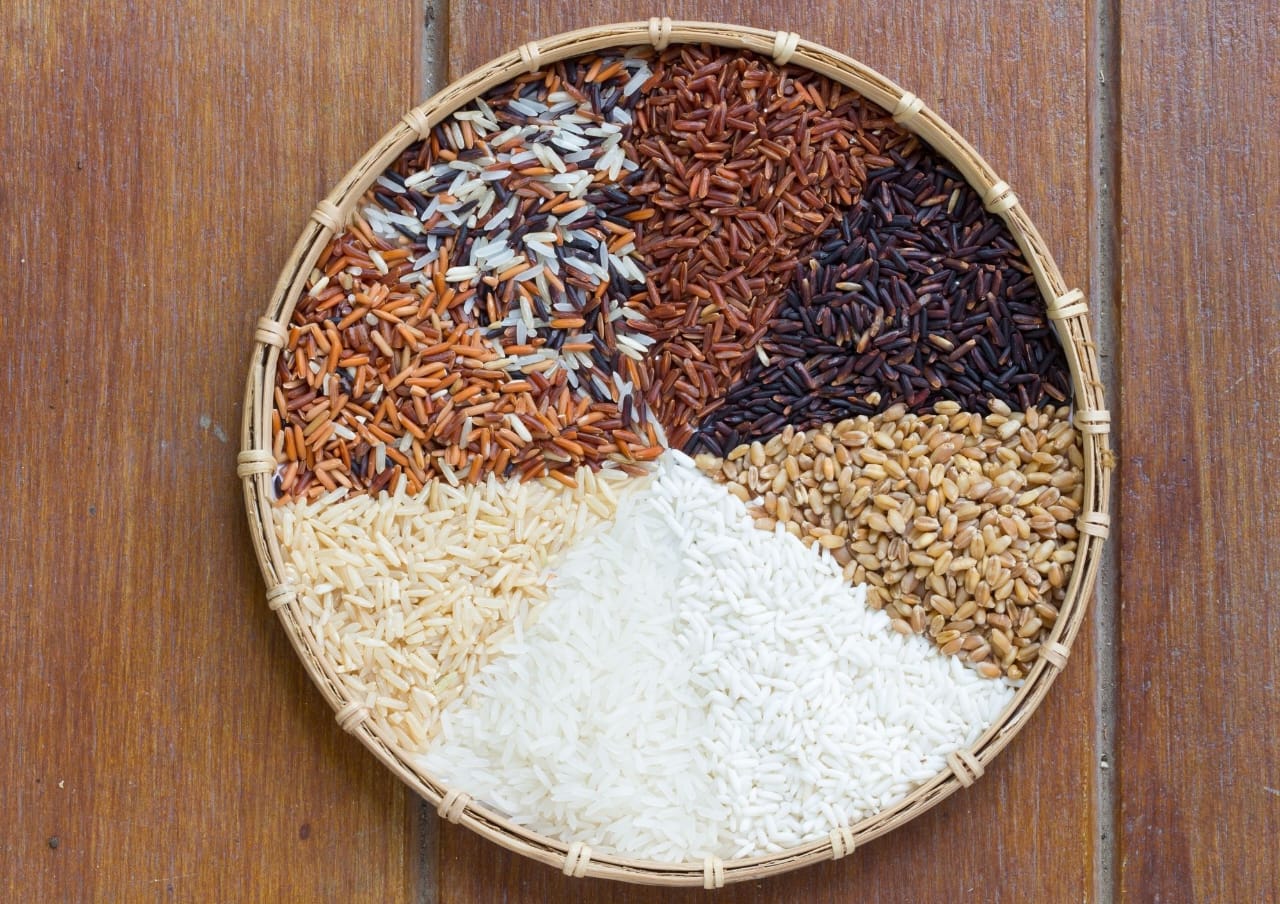
In the realm of nutrition, the glycemic index (GI) plays a pivotal role in understanding how foods impact our blood sugar levels. Low GI foods, particularly certain rice varieties, are gaining attention for their health benefits, especially for individuals managing diabetes or seeking a balanced diet.
Understanding the Glycemic Index
The glycemic index measures how quickly carbohydrates in food raise blood glucose levels. Low GI foods (GI ≤ 55) are digested and absorbed more slowly, leading to gradual increases in blood sugar and insulin levels. This steady release of energy is beneficial for maintaining satiety and reducing cravings. Apple and Mint+2Caroline Thomason+2vively.com.au+2Dr. Sumaiya
Health Benefits of Low GI Rice
- Blood Sugar Management Consuming low GI rice varieties can aid in maintaining stable blood sugar levels, crucial for individuals with diabetes. These rice types cause slower increases in blood glucose, reducing the risk of spikes and crashes. vively.com.au
- Enhanced Satiety and Weight Management The slow digestion of low GI rice contributes to prolonged feelings of fullness, assisting in appetite control and weight management. This can be particularly beneficial for those aiming to reduce calorie intake without compromising on nutrition.
- Nutrient-Rich Profiles Varieties like red and brown rice retain their bran and germ, offering higher fiber content and essential nutrients such as magnesium and B vitamins. These components support overall health and metabolic functions. Diabetic Diet Pro+2Health+2vively.com.au+2
MNP Foods Africa: Championing Low GI Rice Varieties
MNP Foods Africa is committed to providing rice options that align with health-conscious choices:
- CIC Whole Grain Red Rice: Rich in fiber and antioxidants, this variety supports heart health and blood sugar regulation.
- CIC White Slender Parboiled Rice: Offers the softness of white rice with a lower GI, making it suitable for daily consumption.
- CIC Sudu Suduru Rice: Known for its gentle digestion and low GI, it’s ideal for individuals with dietary sensitivities.
These rice options are 100% natural, non-GMO, and developed with patented technology to ensure quality and health benefits.
Incorporating Low GI Rice into Your Diet
Transitioning to low GI rice can be seamless:
- Start Gradually: Mix low GI rice with your regular rice to adjust to the texture and taste.
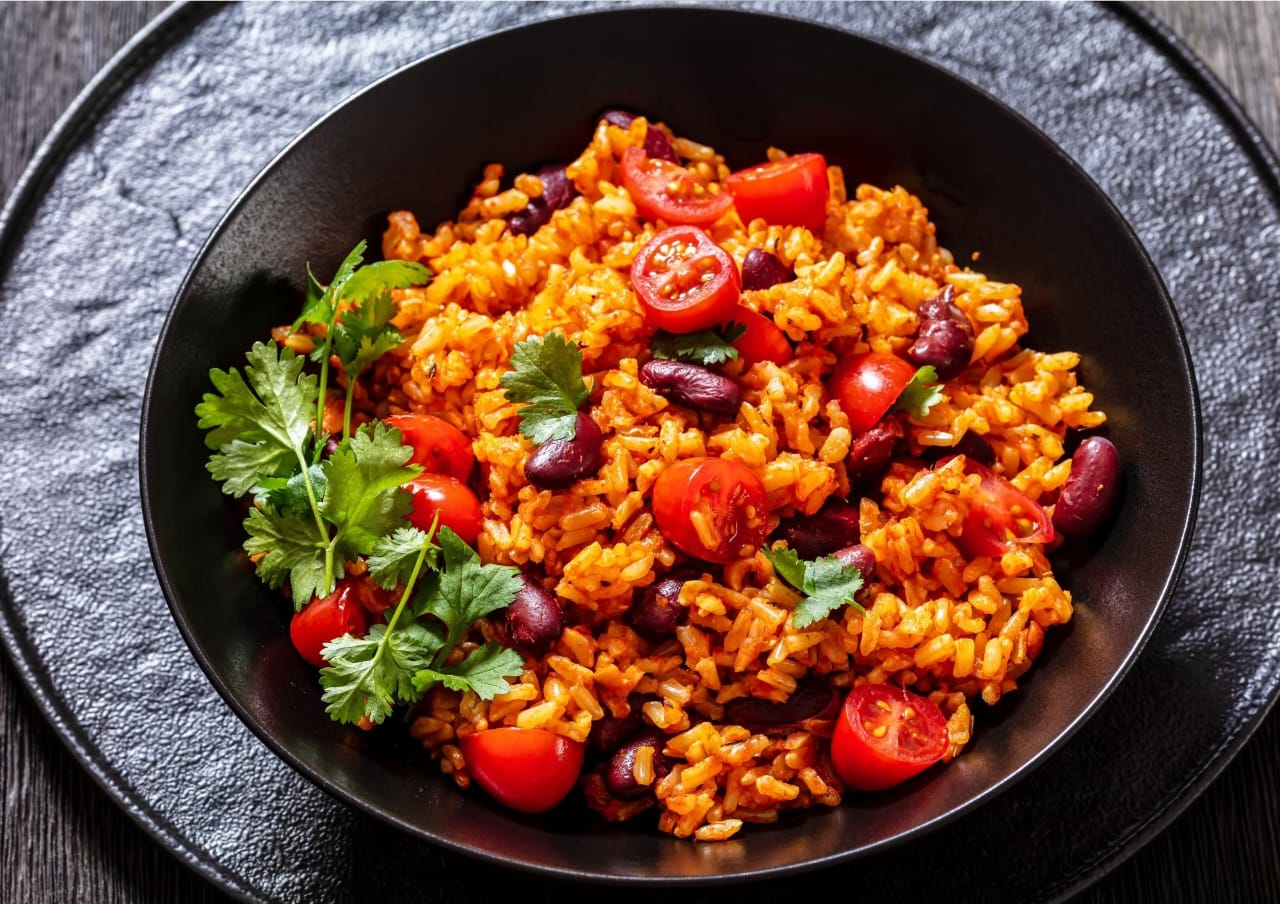
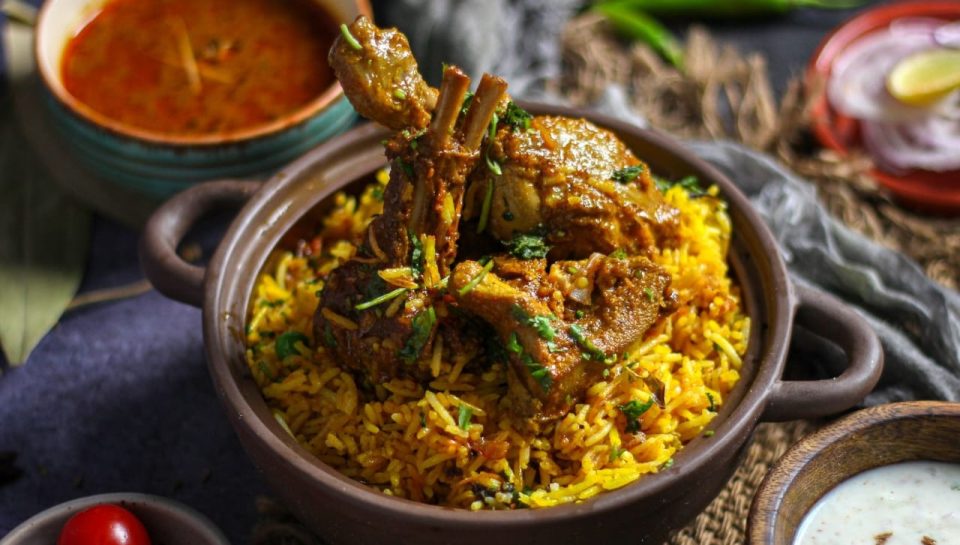
- Pair Wisely: Combine with lean proteins and vegetables to create balanced meals.Diabetic Diet Pro
- Mind Portions: Even healthy foods should be consumed in appropriate amounts to maintain energy balance.
Embracing low GI rice varieties like those offered by MNP Foods can be a significant step toward improved health and well-being. By making informed choices, you can enjoy the staple food of rice without compromising on your health goals.
For more information on MNP Foods Africa’s rice products and their health benefits, visit our website or contact our nutrition experts.