Rice is a staple in many diets worldwide, including in South Africa. However, for individuals managing diabetes, the type of rice consumed can significantly impact blood sugar levels. Understanding the glycemic index (GI) of rice varieties is crucial in making informed dietary choices.
Understanding the Glycemic Index
The glycemic index measures how quickly carbohydrates in food raise blood glucose levels. Foods with a high GI are rapidly digested and absorbed, leading to quick spikes in blood sugar. Conversely, low GI foods are digested more slowly, resulting in a gradual rise in blood sugar levels. For individuals with diabetes, incorporating low GI foods into the diet can aid in better blood sugar management.
The Impact of Rice on Blood Sugar
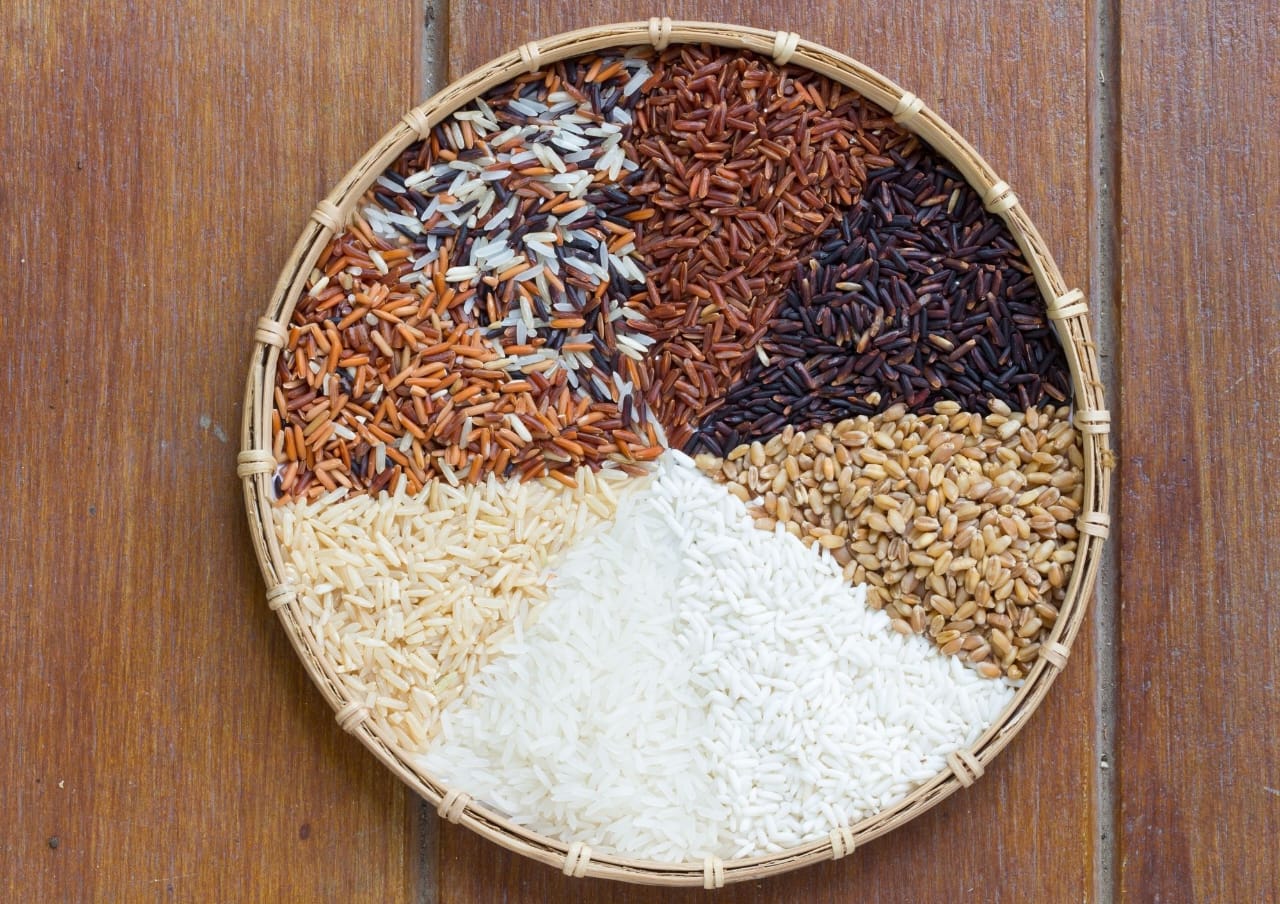
Not all rice is created equal. White rice, commonly consumed in many households, has a higher GI, which can lead to rapid increases in blood sugar levels. On the other hand, whole grain varieties like brown and red rice have a lower GI due to their higher fiber content and minimal processing. These types of rice are digested more slowly, providing a more stable release of glucose into the bloodstream.Verywell Health+3Real Simple+3Verywell Health+3
MNP Foods Africa’s Low GI Rice Varieties
MNP Foods Africa offers a range of rice products that are suitable for individuals seeking to manage their blood sugar levels:
- CIC Whole Grain Red Rice: This variety retains its bran layer, providing essential nutrients and fiber that contribute to a lower GI.Wikipedia
- CIC White Slender Parboiled Rice: Through a specialized parboiling process, this rice maintains more nutrients than regular white rice and has a moderate GI, making it a better choice for blood sugar control.
- CIC Sudu Suduru Rice: Known for its gentle digestion and low GI, it’s ideal for individuals with dietary sensitivities.
These rice options are 100% natural, non-GMO, and developed with patented technology to ensure quality and health benefits.
Incorporating Low GI Rice into Your Diet
Transitioning to low GI rice can be seamless:
- Start Gradually: Mix low GI rice with your regular rice to adjust to the texture and taste.
- Pair Wisely: Combine with lean proteins and vegetables to create balanced meals.
- Mind Portions: Even healthy foods should be consumed in appropriate amounts to maintain energy balance.
Conclusion
Rice doesn’t have to be off-limits for individuals with diabetes. By choosing low GI varieties like those offered by MNP Foods Africa, it’s possible to enjoy this staple food while maintaining better blood sugar control. Incorporating these healthier options into your diet can contribute to overall well-being and support diabetes management.
For more information on MNP Foods Africa’s rice products and their health benefits, visit our website or contact our nutrition experts.
Explore MNP Foods Africa’s range of low GI rice products today and take a step towards healthier, budget-conscious eating.